Posts

Solar-Powered Light and Charging for Emergencies

Image
From power outages to natural disasters, there is always a reason to be prepared for basic emergencies. Having a small power source and light source can be instrumental to survival in many instances, from food preparation to repairs, medical treatment to phone usage. A flashlight is one of the first requirements of common emergency kits, but its reliance on traditional batteries can result in an inconveniently dead flashlight. Using solar powered lights can reduce this risk and ensure that other devices are charged too. For emergencies or times when access to reliable power is not possible, here are the benefits of using solar power. Home and Outdoor Lighting Solar powered lanterns are convenient for emergencies because of their battery life and increased brightness. Solar lights can last anywhere from four to sixteen hours of light per full charge, and are easily rechargeable during the day. They are also up to ten times brighter than kerosene lamps, which are the most pop...
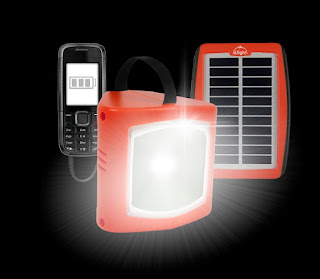
Making Power Personal: Sustainably Lighting Homes in Developing Countries

Image
Communities worldwide are suffering from an insufficient power industry. Power-grids are the acclaimed resource for community, business, and home electricity. However, the costs to build and maintain these power-grids in developing countries and rural communities are astronomical, requiring billions of dollars every year to remain operational with not enough results. Rural and developing communities benefit from basic power resources, such as lights and multifunction power systems. Solar power offers the same benefits and more advantages than power grids, now less-expensive than ever, incredibly reliable, and significantly better for the environment. Solar powered lights alone can make a dent in significant world issues other than electricity.  Developing communities that are off the power grid but use solar power benefit from economic, academic, and social empowerment. Shown t hrough a survey from Santa Clara University’s Miller Center for Social Entrepreneurship, ...

Making Power Personal: Sustainably Lighting Homes in Developing Countries

Image
Over a billion people worldwide have little to no access to electricity in their community. About 620 million of those billion are located in Africa. Over the last 30 years, billions of dollars have been spent by domestic and international governments to create a power grid in Africa to connect all communities. However, the intention behind the original concept has not panned out as originally conceived. The idea that power grids must exist to provide industrialization and development has proven to be unsustainable. 21 billion dollars are spent every year to maintain a sub-Saharan system that still does not supply sufficient resources for a steady path of development. To achieve true development, industrialization is key, but the ultimate goal is giving power to homes. Most African homes rely upon kerosene lamps for light in dark hours. Kerosene is extremely dangerous and does not provide near the same light quality as LEDs or incandescent bulbs. The World Bank has stated that ...

How Solar Lanterns & Other Products Are Revolutionizing Off-Grid Communities

Image
Many parts of the world have advanced technologically, but some places still cannot see the light—literally. Manufacturers of solar lanterns and solar powered lights are working to change that. In the US, the UK and other developed countries, people have reliable access to electricity and lighting. Sadly, that is not the case for many people living in off-grid communities worldwide. When the sun goes down, the lives of these people can get put on hold. Businesses cannot stay open in the dark. Children cannot study for classes without light either. Far too often, people living off-grid rely on kerosene lamps, candles or diesel-powered generators if they want to do anything at night. Using kerosene and diesel causes unhealthy fumes to be released into the air, which impacts the health of people and the environment as a whole. Happily, innovations in technology have enabled off-grid families and communities to reduce their reliance on these potentially harmful power sources. Instead...

How Solar Powered Lights Can Help People in Developing Countries

Image
Solar powered lights might seem like a quaint novelty to people in the First World. To people in developing countries, however, having a solar lantern can change their lives for the better. There is a certain poetic appropriateness in the terms “First World” and “Third World.” The people who live in countries that fall into these categories almost seem to live in completely separate worlds. In the first world, quite a few people have well over the minimum necessities and comforts. In the third world, fartoo many do not. In fact, people living off-grid in Africa, Asia and elsewhere may not even have reliable access to basic amenities like electricity and indoor lights. As members of the global community, it should be everyone’s responsibility to help their fellow men and women. It should not matter whether they live in Africa, the Middle East, Latin America, Asia, Europe or anywhere else—people deserve access to things that can make them healthy and productive. S...